
Moving to a new city or state is an exciting adventure, but it also comes with challenges - especially when it comes to long-distance moves. Unlike local relocations, long-distance moves demand more planning, organization, and preparation. The best way to stay on track is to have a moving checklist for long-distance moves that ensures you don’t forget essential items.
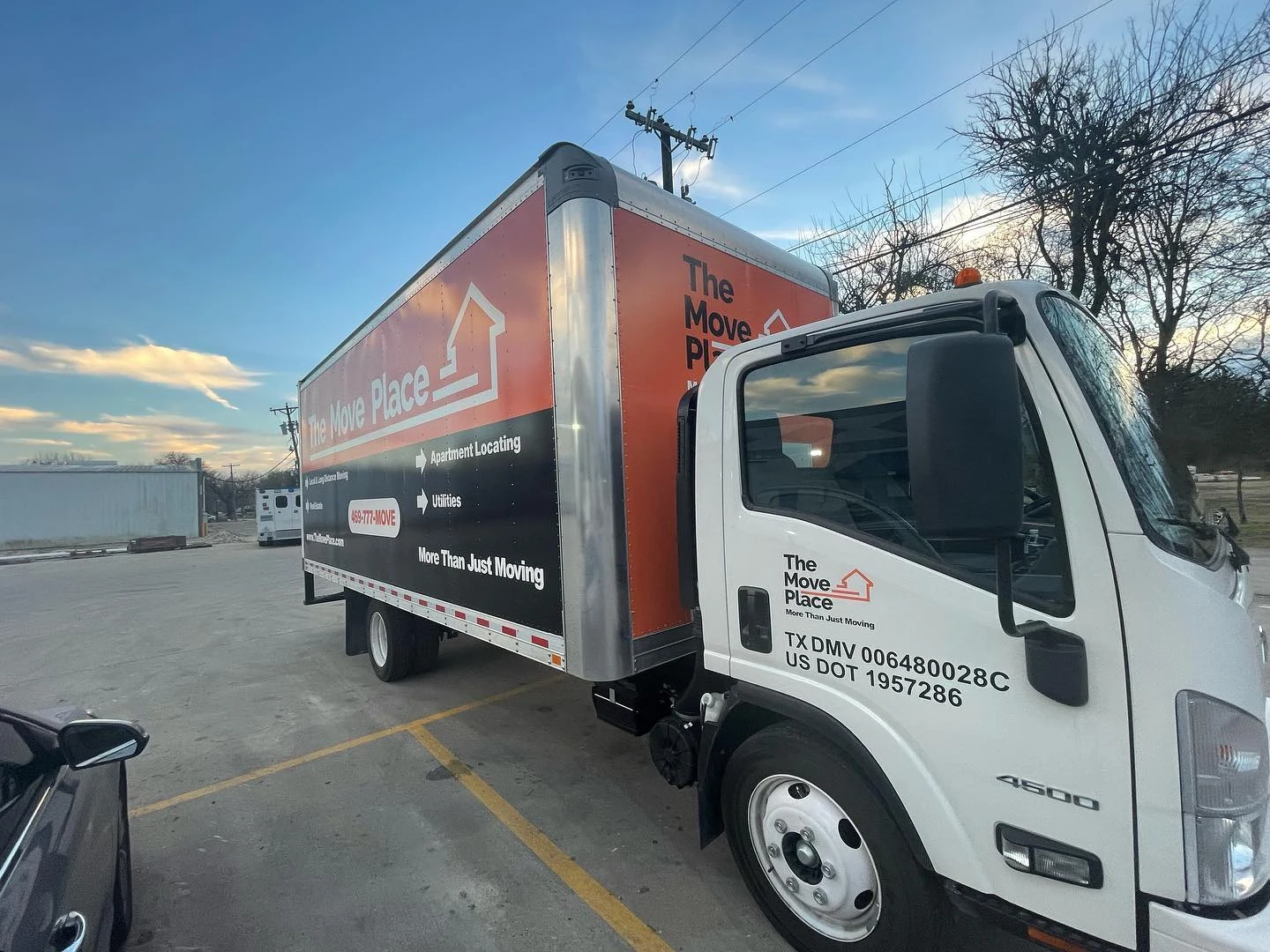
For local moves in Dallas–Fort Worth and longer routes within Texas, discuss your inventory, access, date and service needs with The Move Place. For a route crossing a state line, confirm the actual transporting carrier’s legal name and USDOT number, then check its current household-goods operating authority in FMCSA’s carrier and Licensing & Insurance records. An active USDOT number alone does not establish interstate authority.
Why You Need a Checklist for Long-Distance Moves
A moving checklist does more than remind you to pack boxes - it helps you:
Stay Organized – Avoid last-minute chaos and forgotten items.
Save Time & Money – Proper planning prevents unnecessary purchases or duplicate packing.
Reduce Stress – When you know exactly what to bring and when to prepare, you can focus on settling into your new home.
Ensure Safety – Packing essentials like first aid kits, important documents, and medications keeps your family safe.
Moving Checklist: Essential Categories to Cover
1. Important Documents
Never pack critical papers in the moving truck. Keep them with you during the entire relocation.
Driver’s license, passports, and birth certificates
Social Security cards and insurance documents
Lease agreements, mortgage papers, or rental contracts
Moving company paperwork and inventory lists
Medical and vaccination records
School transcripts (if moving with kids)
Tip: Store these in a labeled folder or a secure travel pouch.
2. Medications and Health Essentials
Health is a top priority during long-distance moves. Pack a health essentials kit that stays with you:
Prescription medications (at least 1–2 weeks’ supply)
Pain relievers, allergy medicine, and vitamins
First-aid kit with bandages, antiseptics, and ointments
Hand sanitizer and wet wipes
Glasses, contact lenses, and solutions
3. Personal Essentials Bag
Think of this as your “overnight survival kit.” Even if the movers are delayed, you’ll have what you need to get by.
Two to three changes of clothes
Toiletries (toothbrush, toothpaste, shampoo, deodorant, etc.)
Towels and washcloths
Phone chargers and power banks
Snacks and reusable water bottles
4. Household Necessities for the First Few Days
When you arrive at your new apartment or house, unpacking everything at once won’t be realistic. Pack a first-day box with essentials:
Bedding and pillows
Plates, cups, and utensils (disposable works best)
A small pot or pan for quick meals
Coffee maker or kettle
Paper towels, cleaning wipes, dish soap, and trash bags
5. Moving Day Essentials
To keep the moving process smooth, prepare a kit for moving day:
Printed directions and moving company contacts
Basic tools (screwdriver, wrench, tape measure, scissors)
Flashlight with extra batteries
Packing tape, markers, and labels for last-minute packing
Cash for tips, tolls, or emergencies
6. Items for Kids and Pets
If you’re moving with family, don’t forget the little ones - including pets.
For kids:
Favorite toys, books, or comfort items
Snacks and drinks
Travel games or tablets for long drives
For pets:
Leash, collar, and pet carrier
Food and water bowls
Waste bags and litter supplies
Copies of vet records
7. Valuables and Electronics
Don’t risk losing your most valuable items. Keep them with you in your car instead of the moving truck.
Jewelry and watches
Laptops, tablets, and phones
External hard drives or USBs with important data
Cameras and chargers
Bonus Packing Tips for Long-Distance Moves
Declutter before packing – Sell, donate, or recycle items you don’t need.
Label boxes clearly – Include room names and “fragile” labels when necessary.
Use quality packing supplies – Heavy-duty boxes, bubble wrap, and packing paper protect items better than old grocery bags.
Photograph valuable items – Keep digital proof for insurance claims if needed.
Confirm with movers – Double-check the schedule, insurance coverage, and estimated delivery window.
The Cost Factor: Long-Distance Moves vs Local Moves
Unlike local moves (charged hourly), long-distance relocations are priced based on weight, volume, and distance. Additional costs may include:
Fuel surcharges
Special handling for fragile or oversized items
Storage solutions if delivery is delayed
Packing and unpacking services
By having a detailed checklist, you can avoid extra costs from forgotten essentials or last-minute purchases.
Why Choose The Move Place for Long-Distance Moves
Plano residents trust The Move Place because we:
Specialize in both local and long-distance moves
Provide professional packing/unpacking services
Offer transparent, upfront pricing
Have a team of trained and insured movers
Provide apartment moving expertise for stairs, elevators, and tight hallways
Offer online booking 24/7 for customer convenience
Final Thoughts
A moving checklist for long-distance moves is more than just a to-do list - it’s your roadmap to a stress-free relocation. By organizing essentials like documents, medications, first-day kits, and valuables, you’ll make your journey smoother and more comfortable.
For local moves in Dallas–Fort Worth and longer routes within Texas, discuss your inventory, access, date and service needs with The Move Place. For a route crossing a state line, confirm the actual transporting carrier’s legal name and USDOT number, then check its current household-goods operating authority in FMCSA’s carrier and Licensing & Insurance records. An active USDOT number alone does not establish interstate authority.
Ready to simplify your move? Contact The Move Place today at (469) 777-6683 or book online for a free estimate.